Hospitality Marketing in Mallorca: How to Turn Attention Into Guests
Mallorca is one of Europe’s most competitive hospitality markets. Beautiful locations alone are no longer enough.
10 September 2026 · 14 min read

01
The decision begins before the flight
Mallorca is one of Europe’s most competitive hospitality markets. Beautiful locations alone are no longer enough. Hotels, restaurants and beach clubs compete for attention long before a guest arrives on the island.
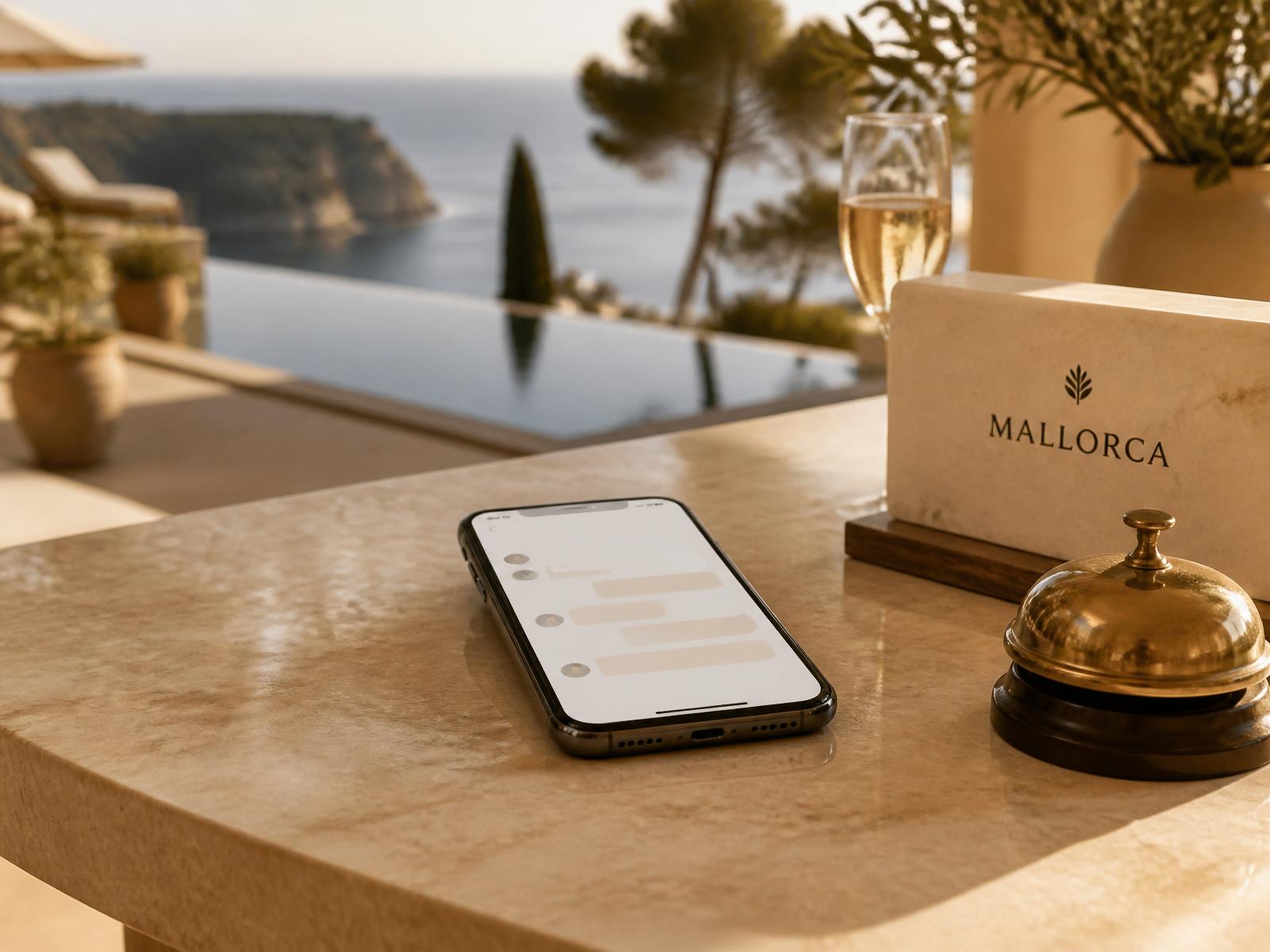
A modern hospitality brand therefore needs to connect brand, content, advertising, technology and guest experience. The customer journey often begins on a smartphone. A potential guest discovers a Reel, visits Instagram, checks Google, opens the website, reads reviews and finally decides whether to make a reservation. Every one of these touchpoints influences the decision.
02
Position the brand, not just the venue
Strong positioning makes a business easier to understand and easier to choose. It defines who the experience is for, what emotional territory it owns and why it deserves attention among hundreds of attractive alternatives.
For a restaurant, that may be the ritual of a long Mediterranean lunch. For a hotel, private calm and intelligent service. For a beach club, the transition from sunlit afternoon to evening energy. The position should guide imagery, language, pricing cues, partnerships and the on-site experience.
“The strongest hospitality brands don’t just sell a table or a room. They sell an experience before the guest even arrives.”
03
Build one connected discovery system
Instagram and TikTok are discovery channels, not isolated content galleries. Their role is to communicate atmosphere, proof and relevance quickly. Google captures people with immediate intent. The website creates confidence. The reservation experience removes friction.
Each channel needs a clear job. Short-form video can create desire; Google Business Profile and search can confirm location and reputation; the website can communicate the full proposition; a fast reservation flow can convert intent before it fades.
- — Use consistent brand signals across social, search and website
- — Keep menus, availability, opening information and contact details current
- — Design mobile pages around decisions, not decorative effects
- — Make booking and enquiry actions visible without becoming aggressive
04
Content should make the experience tangible
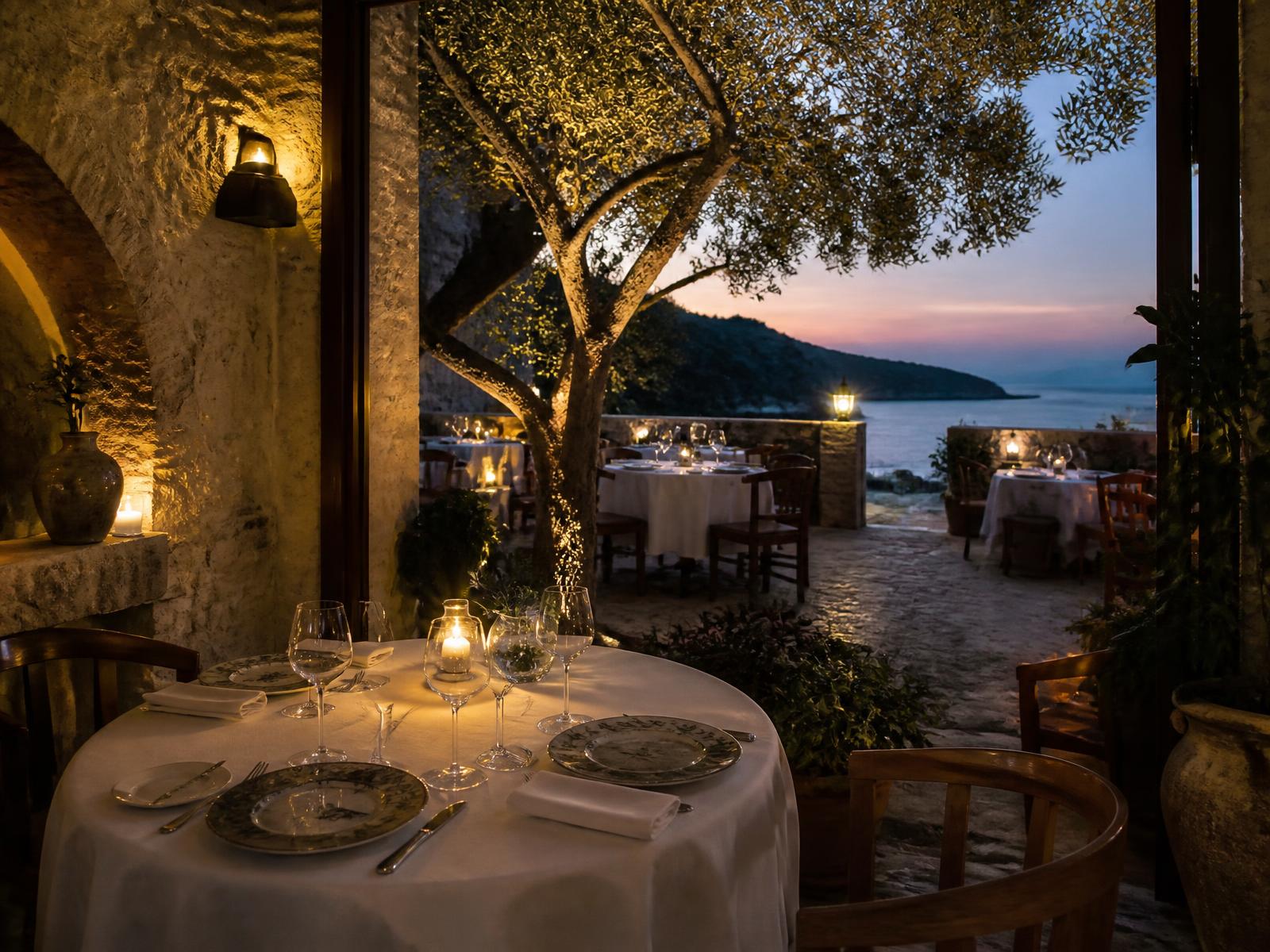
Hospitality content succeeds when viewers can imagine themselves inside the experience. Show arrival, light, texture, service, food, music, views and the small details that distinguish the venue. A disciplined production plan creates a useful library for organic social, advertising, the website, press and seasonal campaigns.
Production should begin with commercial priorities. A hotel may need suite, breakfast and destination narratives. A restaurant may need signature dishes, atmosphere, the team and provenance. A beach club may need day-to-night energy, events and reservation products.
05
Connect acquisition to reservations
Performance marketing can accelerate demand, but only when the destination is ready. Campaigns should lead to pages that match the promise, answer the relevant questions and provide a simple next step. Retargeting can then reconnect with people who watched, visited or began a reservation without completing it.
Measure qualified website sessions, calls, enquiries, reservation starts, completed bookings and cost by channel. Platform engagement is useful for creative diagnosis, but it is not the final business outcome.
Sie führen ein Hospitality-Unternehmen auf Mallorca?
Entdecken Sie, wie Marketing, KI und Technologie für Ihr Unternehmen zusammenspielen können.
Mit unserem Team sprechen06
Reputation is part of marketing
Reviews influence discovery and confidence at the same time. The best review strategy starts with operations: set expectations accurately, deliver consistently, make feedback easy and respond with care. Automated review requests can help, but the message should still feel like hospitality rather than a transaction.
Recurring themes in reviews are valuable business intelligence. They can expose unclear communication, booking friction or experience gaps that marketing alone cannot solve.
07
The relationship continues after the visit
A consent-based CRM helps businesses recognise returning guests, segment communication and reduce dependence on rented audiences. Useful follow-up might include a thoughtful post-stay message, early access to a seasonal opening or relevant information for a future trip.
Automation should connect repetitive steps: enquiry routing, confirmations, pre-arrival information, review requests and campaign audiences. It should never remove the judgement and warmth that make hospitality memorable.
08
A practical measurement rhythm
Create one view of the journey from attention to commercial outcome. Review channel contribution, website behaviour, reservation performance and guest feedback together. Weekly reviews can catch campaign and conversion issues; monthly reviews can identify deeper shifts in demand, audience and offer.
The strongest hospitality businesses don’t separate marketing from the guest experience. They connect both.
Das Wichtigste
- — Position an experience, not a list of facilities.
- — Give every channel a defined role in the guest journey.
- — Connect acquisition, reservations, reviews and CRM.
- — Measure commercial outcomes alongside creative signals.